
Home fire prevention starts with everyday cooking, heating and electrical habits, supported by working smoke alarms and a practiced escape plan. These steps reduce risk; they cannot prevent every fire. If a fire occurs, get outside, stay outside and call 911 from safety.
Maintain smoke alarms and practice your escape plan
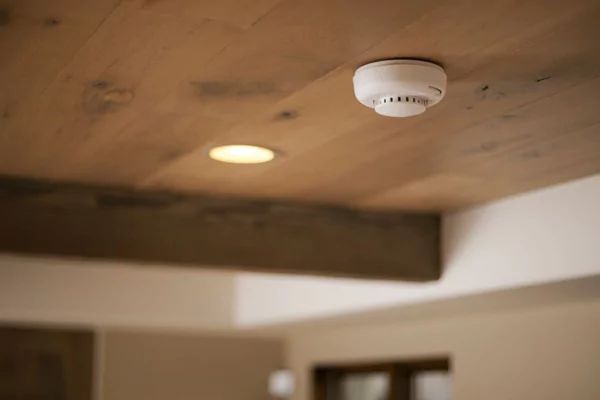
The U.S. Fire Administration recommends smoke alarms in bedrooms, outside sleeping areas and on every level of the home. Test them monthly and follow the manufacturer’s instructions for installation, battery care and replacement. Do not disable an alarm to avoid nuisance sounds.
Plan two ways out of each room where possible, keep exits clear and choose an outdoor meeting place. Practice with everyone in the household, including arrangements for anyone who needs help escaping. Use the USFA escape-planning guidance to build your plan before an emergency.
Give cooking your attention
Stay in the kitchen while using the stovetop; turn the burner off if you need to leave. Keep towels, packaging and other things that can burn away from cooking surfaces. Turn pan handles toward the back of the stove. These are practical steps from USFA cooking fire guidance that you can make part of each meal.
Keep heat sources clear
Keep combustible items at least three feet from space heaters and other heat sources, and turn portable heaters off before leaving the room or going to bed. Never use an oven to heat your home. Follow appliance instructions and arrange professional heating-equipment and chimney maintenance. USFA heating guidance recommends annual cleaning and inspection.
Watch for electrical problems
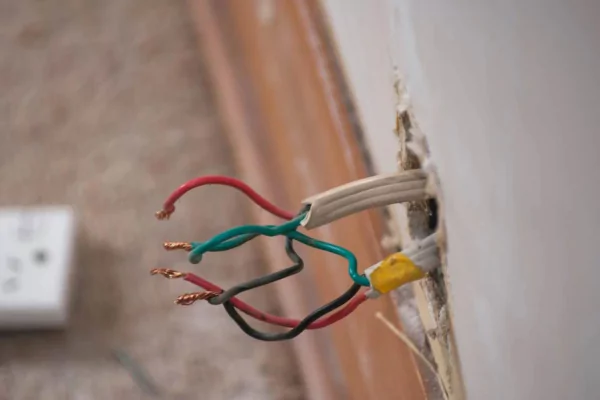
Avoid overloaded outlets and power strips. Plug major appliances directly into wall outlets, and keep cords out from under rugs where damage can go unnoticed. Stop using damaged cords or appliances and have electrical concerns evaluated by a qualified professional. Do not open electrical panels or attempt unfamiliar wiring repairs. See USFA appliance and electrical safety guidance.
Understand the limits of a fire extinguisher
Ask your local fire department about extinguisher selection and training. An extinguisher is not a reason to delay escape. USFA says use should be considered only when others have been alerted, the fire department has been called, the fire is small and contained, you can operate the extinguisher, you are safe from smoke and your escape route is clear. If any condition is uncertain, leave and call 911 from outside. Review the full USFA extinguisher checklist.
After a fire in Newton or Grinnell
Follow the fire department’s directions about entering the property. Once emergency responders have addressed immediate hazards, contact Integrity Cleaning & Restoration to discuss fire damage restoration. Tell our team about smoke, soot and any water damage from firefighting. Call (641) 791-2302 to discuss your property and next steps.