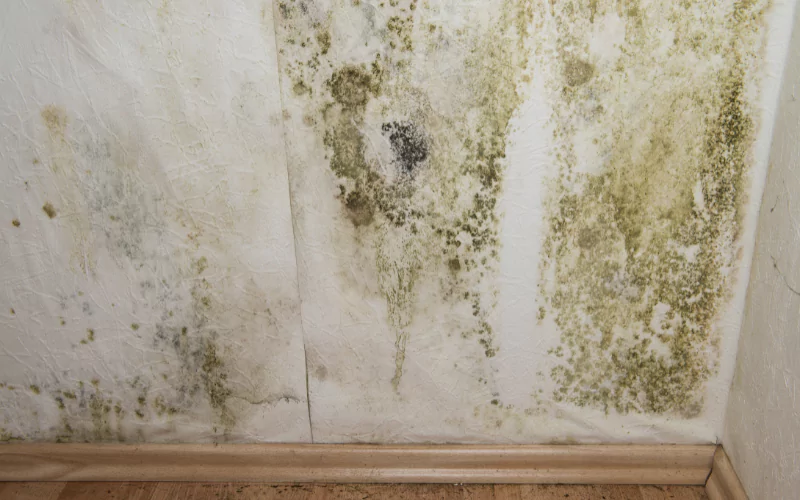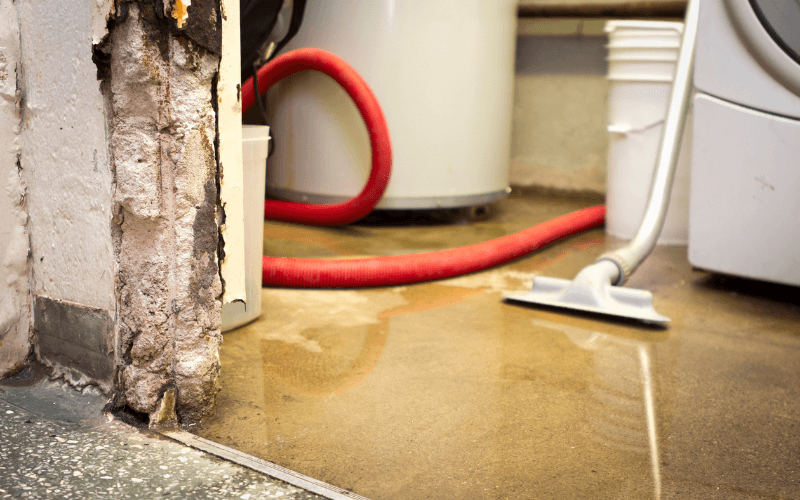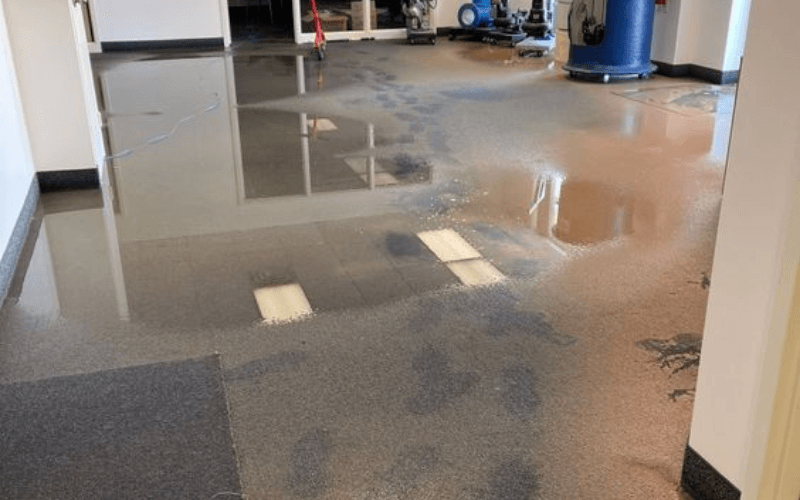
Water damage can begin with a plumbing leak, an appliance connection, rain entering the building or water backing up through a drain. Knowing where and when you noticed water helps a professional investigate the cause and plan the cleanup. A visible stain or wet floor alone may not reveal the full path of the water.
1. Leaking or frozen pipes
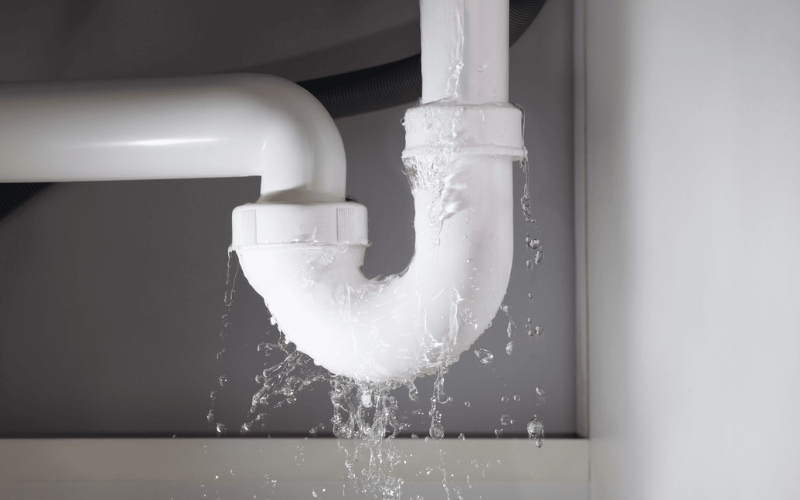
Plumbing leaks may appear at visible fittings or inside walls and cabinets. Unexplained water use, dripping and damp areas are reasons to investigate. The EPA’s leak guidance explains how water-use and meter checks can help identify a possible leak.
Cold weather adds another concern: water expands when it freezes and can break pipes. The American Red Cross identifies exposed pipes and lines in unheated spaces as particularly vulnerable. Contact a plumber when the source is hidden or a pipe needs repair.
2. Appliance hoses and connections
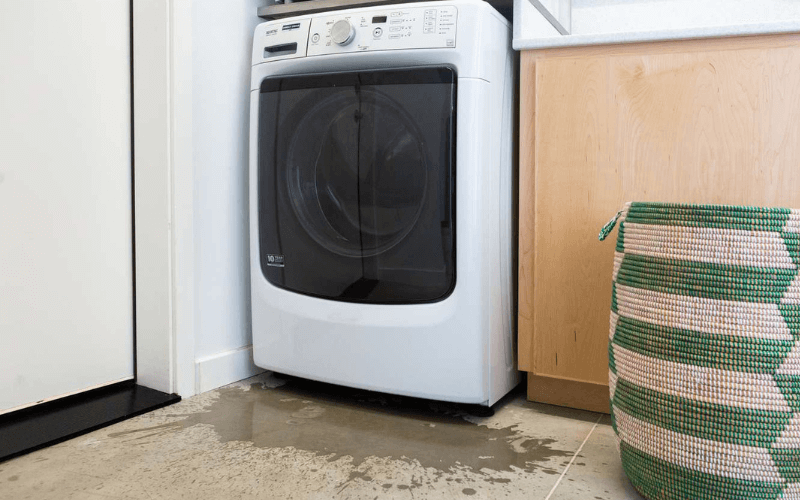
Washing machines, dishwashers, refrigerator ice makers and water heaters have connections or components that can leak. Note whether water appeared during use or continued afterward. Follow the equipment manufacturer’s maintenance instructions and have damaged hoses, connections or appliances evaluated. The Insurance Information Institute’s water-damage guidance includes checks for these common household connections.
3. Rainwater and drainage problems
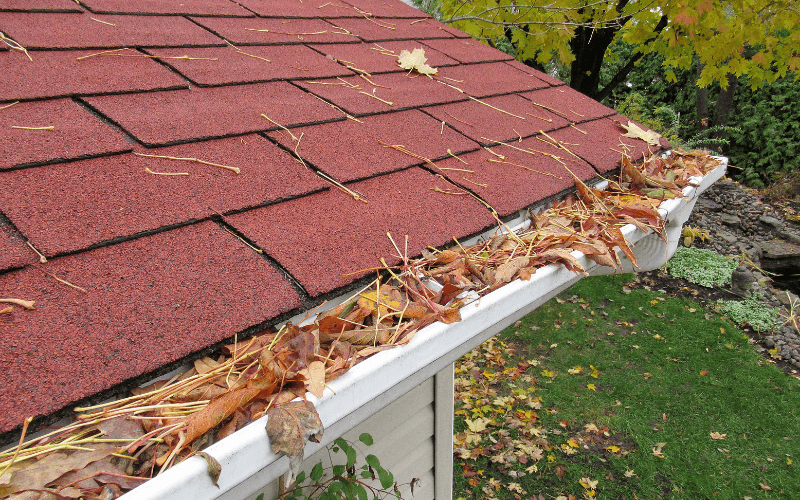
Water that appears during heavy rain may involve roof damage, blocked gutters, downspouts or drainage around the foundation. Record the timing and affected rooms, and arrange assessment of the building exterior when needed. Do not climb onto a wet or damaged roof to investigate.
FEMA’s National Flood Insurance Program recommends keeping gutters and downspouts clear and maintaining a working sump pump and water alarm where appropriate. These measures can reduce damage; they do not make a property floodproof.
4. Overflowing fixtures and drain backups
A sink, tub or toilet can overflow, and water may also back up through a floor drain. Tell the responding professional which fixture or drain was involved and whether wastewater may be present. Do not assume that water is clean because it looks clear. Keep people and pets away from suspected sewage and avoid walking through affected areas.
The EPA recommends experienced professional help when water or mold damage involves sewage or other contaminated water.
What to do when you find water
Keep out of standing water where electrical equipment or outlets may be affected, and stay away from sagging ceilings or other structural damage. Do not enter an unsafe space to shut off a valve or take photographs. The EPA’s guidance on entering a flooded home explains the need to address electrical and structural hazards first.
From a safe place, note when you discovered the water, the rooms affected and any known source. Integrity Cleaning & Restoration offers water damage restoration and 24/7 emergency water-damage response. Call (641) 791-2302 or contact our team to confirm availability for your address near Newton or Grinnell. For routine maintenance planning, see our water damage prevention checklist.