Routine checks can help you notice a water problem before it becomes more extensive. Start with the places you can safely see, follow the care instructions for your appliances and ask an appropriate professional about repairs. No checklist can prevent every water loss.
Look for visible leaks
Check accessible faucets, pipe fittings and appliance connections for drips or moisture. Investigate a new damp patch rather than covering it up. If a repair is beyond your experience, contact a plumbing professional.
Watch for unexpected water use
Compare your water use with your household’s normal pattern. An unexplained increase is a reason to investigate; it is not proof of a leak by itself. EPA describes checking the meter during a period when no water is being used as one way to look for a possible leak. See EPA WaterSense leak guidance.
Follow appliance maintenance instructions
Check the manuals for water-using appliances such as washing machines, dishwashers and water heaters. Follow the manufacturer’s inspection and maintenance guidance. Report visible leaks or damaged connections to the appropriate service professional instead of continuing to use a leaking appliance.
Ask about leak detection where it fits your home
Leak detectors and flow-monitoring devices can alert you to some water problems. Choose and maintain a device according to its instructions, and understand what it does and does not monitor. EPA WaterSense explains the different types of detection and monitoring devices.
Flush the right items
Only human waste and toilet paper belong in the toilet. Put wipes, paper towels and other unsuitable items in the trash. Do not pour cooking grease or oil down drains. EPA’s septic-system care guidance explains how these habits help protect plumbing and septic systems.
Arrange professional checks for recurring problems
Keep a record of where and when moisture appears, including whether it follows rain or appliance use. Share those observations with the appropriate plumbing, roofing or drainage professional. Ask what maintenance is suitable for your particular property rather than assuming one inspection schedule fits every home.
If water damage has already happened
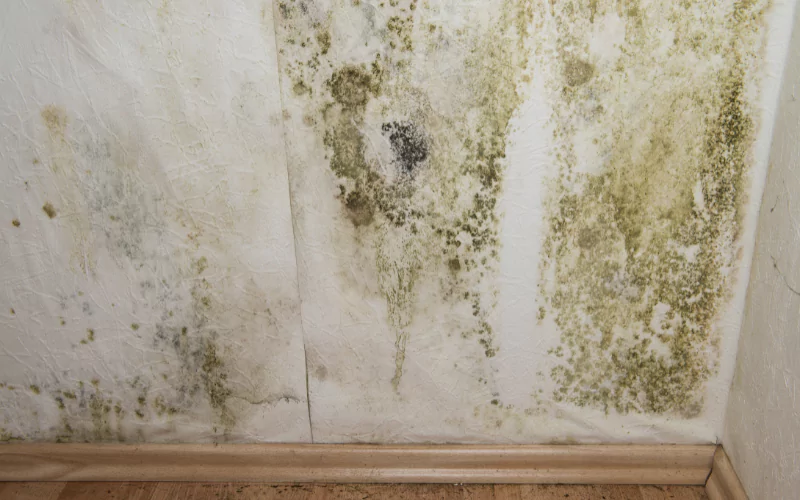
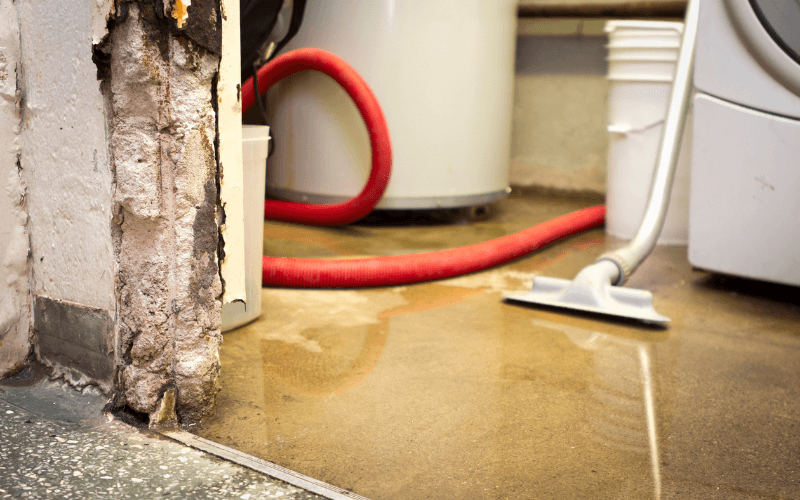
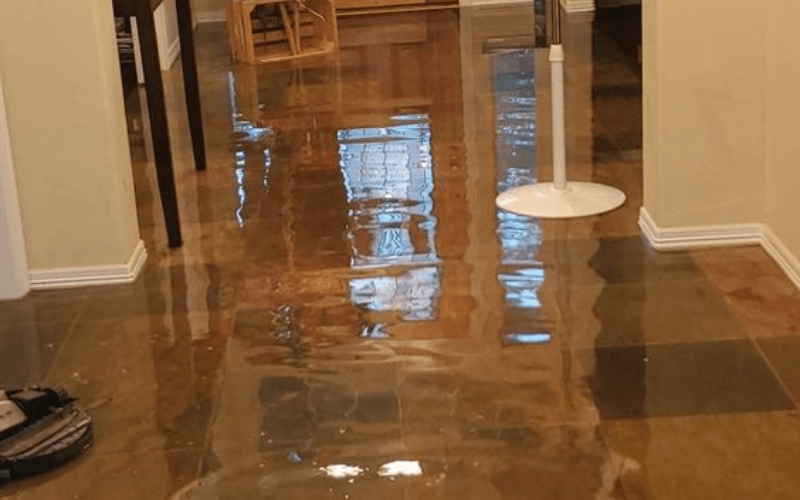
Do not touch wet electrical equipment or enter standing water where electrical hazards may be present. Floodwater can also be contaminated. Follow Ready.gov flood-safety guidance before entering a flooded area.
Integrity Cleaning & Restoration provides water damage restoration for Newton, Grinnell and surrounding communities. Call (641) 791-2302 or contact Integrity to describe the damage and confirm availability for your address. For background on possible sources, see common causes of water damage.